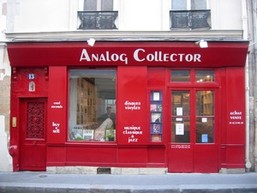
 Let's take a short break from reviewing hardware and move for a moment to the reason why we buy all this gear: to enjoy listening to music... So, on the subject of software for our hifi gear, I cannot recommend anything better than an injection of vinyl from Analog Collector in the historic centre of Paris: le Marais. I had heard about it, I had read about it, but this doesn't compare with the live experience of visiting Remi Vimard's Ali Baba Cavern. It is a very small space, but the perfect temple for the music aficionados. Not only will you be surrounded by thousands of records, but you will be immersed in the most gorgeous sound emanating from the most unorthodox analog listening system on the planet, on top of being welcomed by Remi's hospitality and immense musical knowledge. This is not to be missed at any cost! Eventually, you might buy a few records as I did (Remi has been in business for over five years, so obviously his soft sales techiques work...) I bought two new records: The Body & the Soul, Freddie Hubbard originally on Impulse (sic...) and Brahms Sonatas for Cello and Piano with Janos Starker and Gyorgy Sebok, originally on Mercury Living Presence, both re-published and manufactured by Speakers Corner records, a German based company. Now, a little insight on Remi's hardware: Turntables: Kuzma Stabi S equipped with a Lyra Delos cartridge This turntable looks much better in the flesh than on the photos published in HiFi World not so long ago...and the sound is divine! There is also a Thorens TD124 completely refurbished and equipped with a 12" Jelco arm and a Lyra Donian cartridge. I didn't get a chance to listen to this classic piece of gear... Phono PreAmp: If you think the Kuzma is quite left field, wait until you connect it to a Swiss-built phono preamp the BPS from Nagra, running on batteries! Amplifier: Again, not a middle of the road choice, but a LEBEN CS 300 X, using EL84 valves, not a powerhouse, but a very refined amp indeed... Loudspeakers: You know by now that this is my area of expertise, Remi surprised me with a piece of gear I never heard of: a Japanese full range driver from DIATONE, in a configuration used by the NHK Radio (the Japanese National Broadcaster) with transmission line loading. (I am sure Jean Hiraga would have reviewed such an interesting device in one of his famous articles, but obviously I was living on a different planet when/if he did: I welcome your contribution to my education on the matter!) It is particularly beautiful on string instruments and on small jazz ensembles. Although it lacks the high frequency extension of a multi driver design, it generates a very credible image, realistic dynamics and fascinating musical experience. Obviously, as in any system, it is difficult to credit the result to one single component, and this is where Remi needs to be credited for assembling a very homogeneous system out of a combination of components very much from outside the square. Bravo! 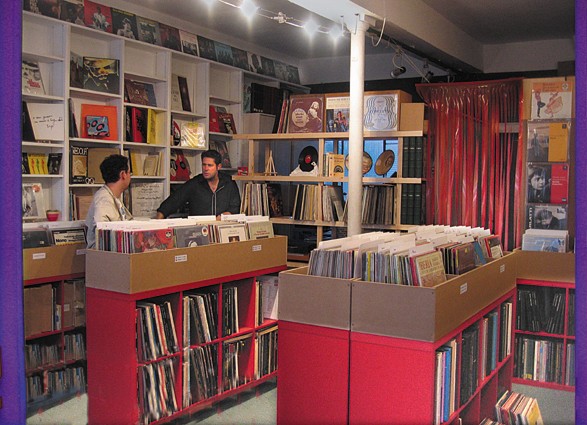 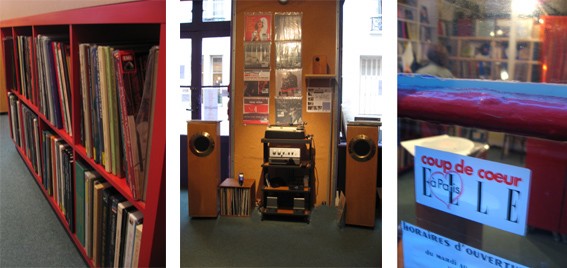 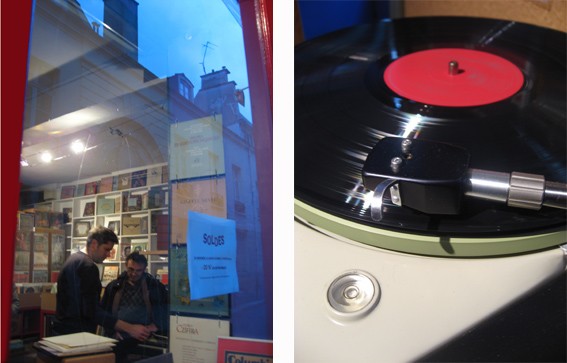 Today, I will review the two brands/products that have most impressed me in terms of speaker design and new to me. Atohm and Waterfall Audio are kind of cousins as Thierry Comte is a partner in Waterfall, and the main driver (sic...) behind Atohm. Besides, Waterfall Audio uses almost exclusively Atohm speakers. Both companies have created a range of speakers that have some design criteria in common, but have achieved very different products out of some of the same components. Atohm drivers are all high efficiency and both bass and midrange drivers have a metal membrane. Their top of the range tweeter however has a silk membrane and a 28mm diameter coil small enough to always stay within the humongous magnetic field of more than 17000 Gauss, resulting in a massive 98db/w/m efficiency.  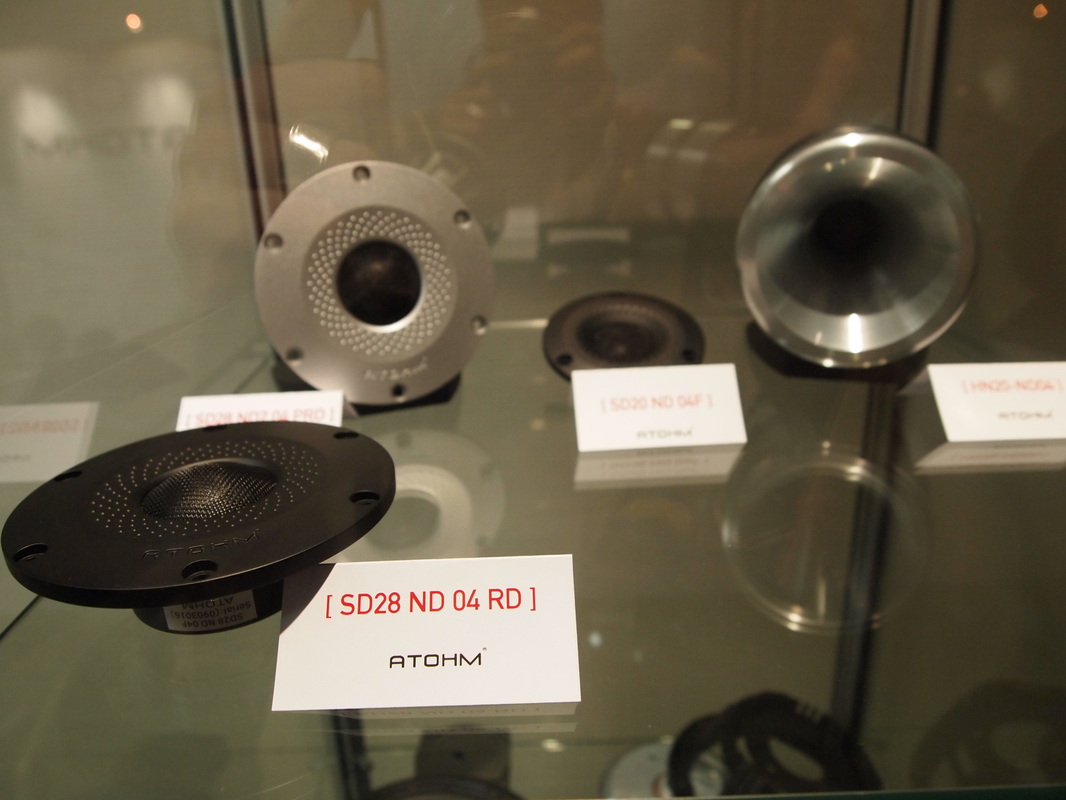 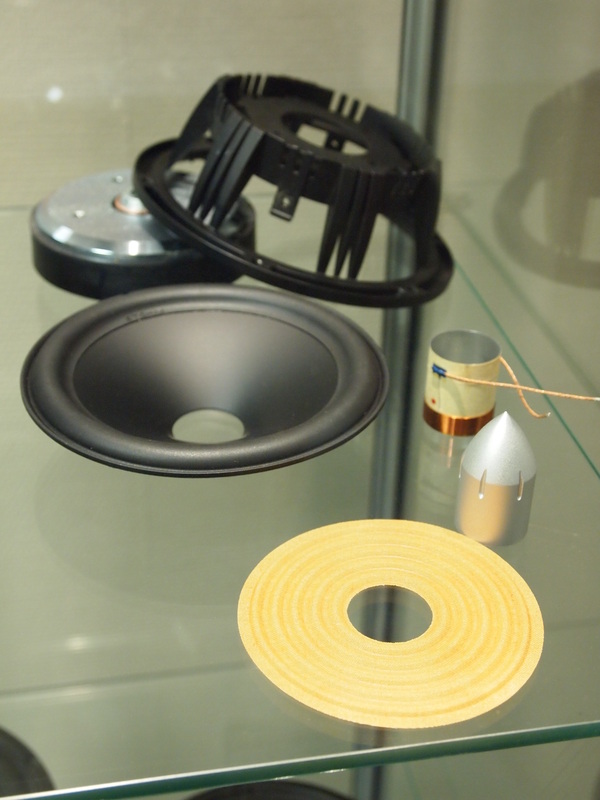 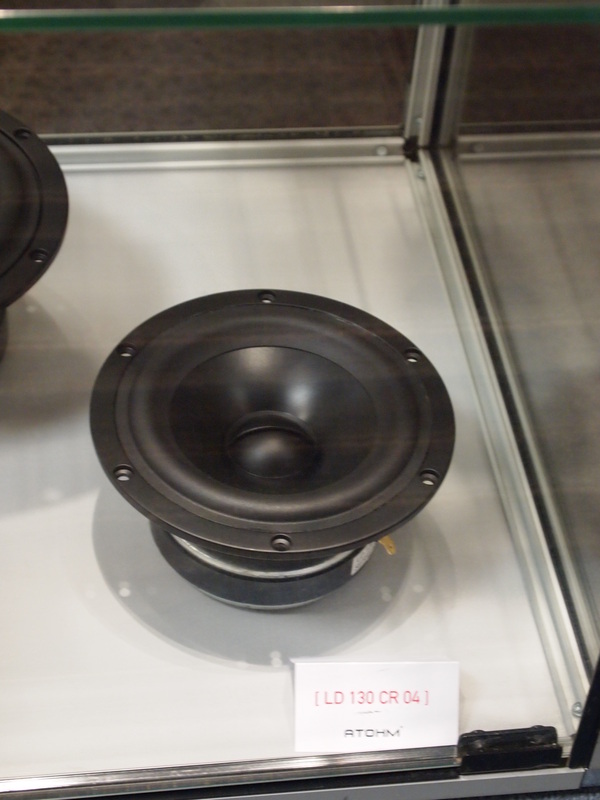 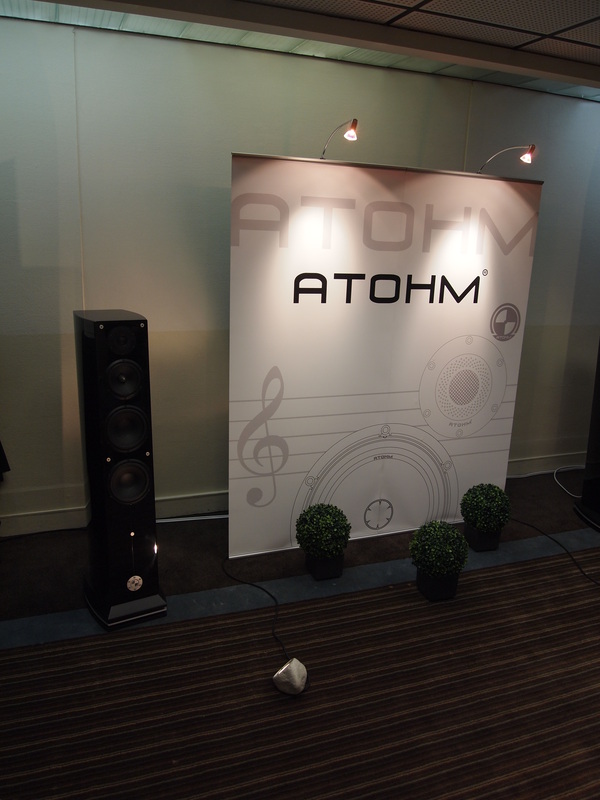 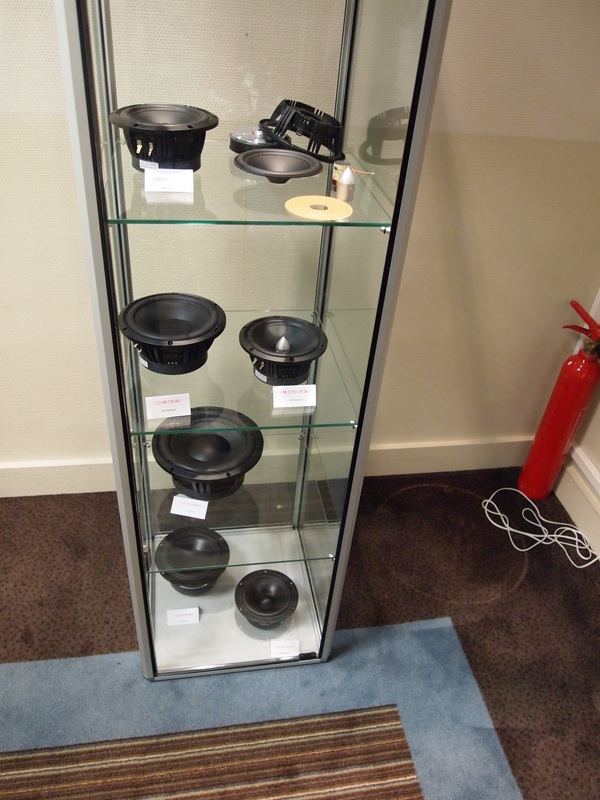 We were exposed to their top model, the GT 3.0, a so-called 3.5 way freestanding speaker beautifully finished and equipped with 2 7inch bass drivers, 1 6inch medium with a phase plug and the above mentioned supertweeter. The crossover frequencies are 100, 150 and 2500Hz, hence the 3.5 way name. All filter slopes are 6db and the tweeter is time aligned. The midrange driver has its own chamber fitted with an internal conical structure aimed at taming the standing waves and reflections inside that cabinet. This is reminiscent of the structure in the B&W Nautilus, but inverted inside the cabinet. The bass drivers are installed in a bass reflex enclosure with a laminated vent at the base of the speaker's cabinet (like in our Microphase SWS subwoofer, this arrangement removes most of the potential problems linked with the floor structure and the position within the room). The very well conducted demo showed the accuracy, speed and time alignment of this speaker, highly respecting the timbres of instruments and at 92db efficiency and 300W power capacity, reproducing the music with a realistic level and a total absence of distortion. Definitely in my top five at the show. Their cost of 7,900 euros + seems to be the norm at that level of quality (Elipson 4260, Vienna Acoustics, or my favourite Martin Logans are twice the price...)   Waterfall Audio has taken a different approach, using some of the same drivers, in their top model, the Niagara. First of all, Waterfall has made a name for themselves by introducing glass cabinets for their speakers. We all know that glass is a very inert material, but being transparent, one cannot hide much inside the cabinet. Besides, it is quite a difficult material to process and assemble, more so once you add the complexity of a horn in front of the tweeter! But Cedric Aubriot and Thierry Combe are not the types to refuse a challenge, and they came up with a number of innovative ideas to make this speaker a "chef d'oeuvre" in the sense of the Compagnons in the Middle Ages. The result is a beautiful objet with a very high WAF - they have their Export Manager, Nadine, as their first judge, and she has convinced women (and men, I am sure...) in 30 countries to agree with her and buy this wonderful object! Having said that, the auditive result is totaly in tune with the aesthetics of the product, proving once more that form should follow function if one wants to achieve the best possible results in any field. Electroacoustics are still full of "black magic" and in this case a transparent one: the filter is hidden in the base of the speaker, and so is the larger passive bass driver. Again, the midrange driver has its own enclosure baptised Acoustic Damping Tube, and the bass is generated mainly by a second 7inch driver. The tweeter is a 21mm diameter with a silk cone behind the proprietary glass horn. All drivers are bespoke versions of Atohm drivers. The sound is solid, accurate and neutral. At 89db and 200w power handling, the output is realistic with a very nice, precise soundstage. At 27,000 euros, this is not for the faint hearted, but a tenth of the price of a Focal Utopia and a lot easier to fit in one's living room. And with all due respect to Jacques Mahul, a much more lively proposition, more engaging with the source material, and, after a relatively short audition, certainly not less accurate. It is to be noted here that Len Wallis (of Len Wallis Audio fame in Sydney) has given me access for a full morning to the Utopia in his showroom with two of his most knowledgeable sales people (and vinyl enthusiasts on top...) as my 60th birthday present...and so, my opinion of the Utopia is based on a much longer listening session on my own material. Although we had probably hal a million dollars of equipment in that room, I cannot say I was totally convinced mainly because it was almost surgical and lack the passion to engage my senses totally. So, if I had a spare 40,000A$, I would certainly consider the Niagara! I would like to try them with my Bryston amp and a Michell turntable and Grado Signature cartridge. Maybe the Aussie distributor of Waterfall Audio can organise that for me ( I will BYO my amp!!!) 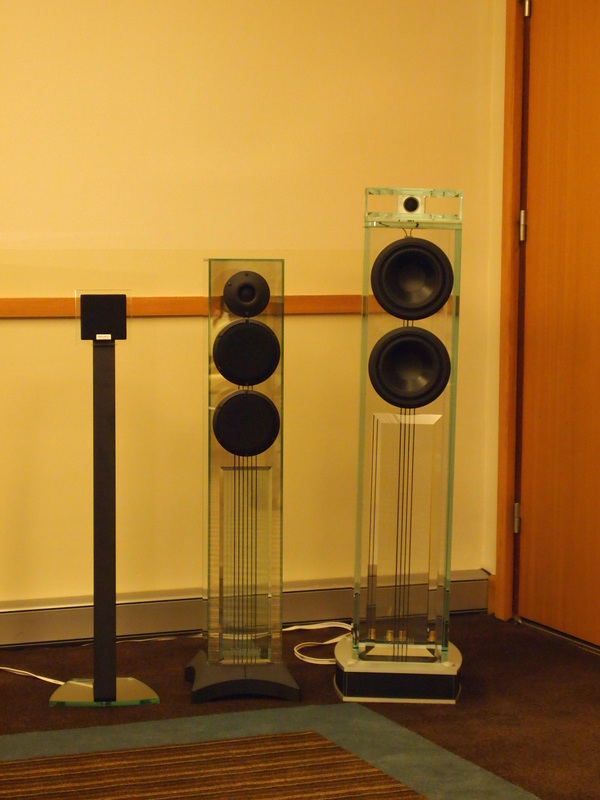 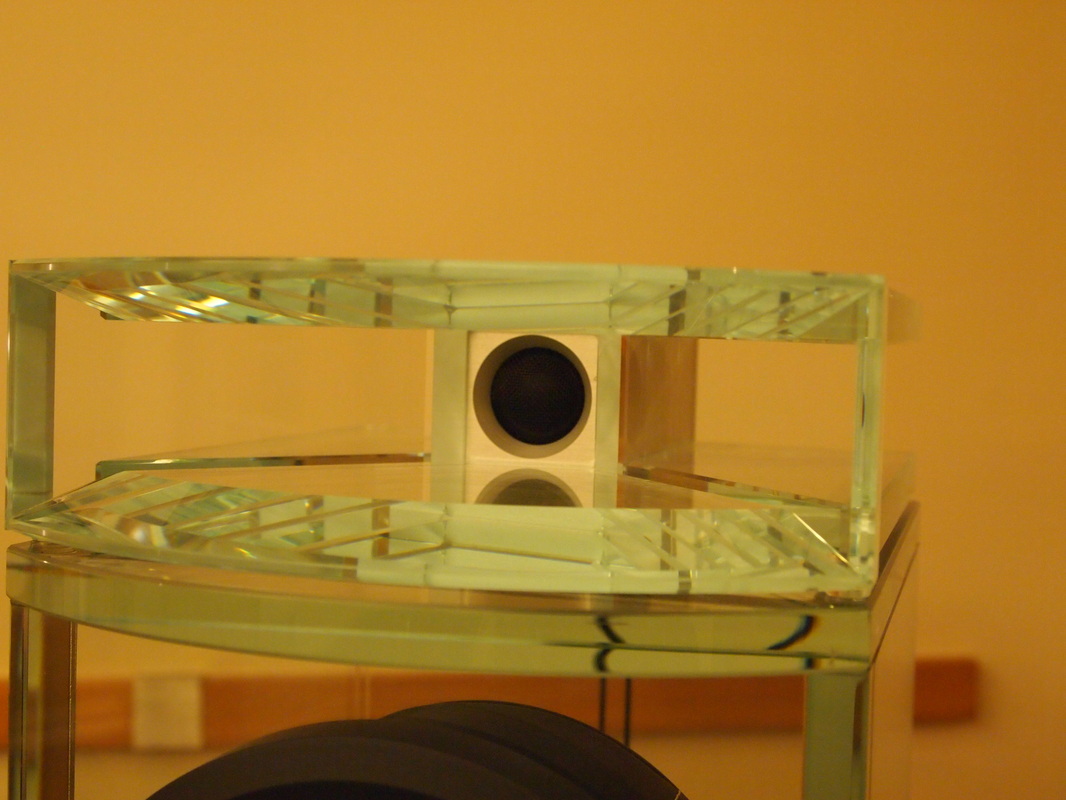 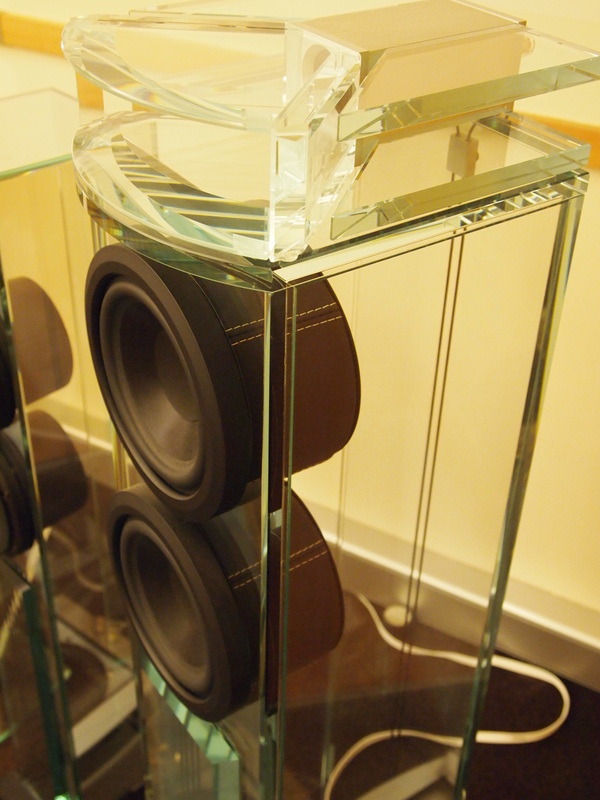 I have not visited this exhibition for 15 years, I have been surprised to see a number of new, innovative, successful French Hifi companies, primarily in the realm of speakers and turntables, but also valve and silicon-based electronics. Obviously some of the most famous and long established brands were there as well from Elipson to Micromega, Davis Acoustics to Focal. The newcomers of note were from A to W: Atohm, Jarre Technologies - yes, it is Jean-Michel - , JMB Acoustique, KTR Lab, Leedh, Pierre Riffaud, Soledge, Stenheim, Stormaudio, Vismes and Waterfall Audio. Famous absentees: Cabasse, Jean-Marie Raynaud, Triangle to name a few. Some of the famous Brits were here too: B&W, Chord, Cyrus, KEF, Lowther, Michell, Mission, NAD, Naim, Roksan, and Rotel to name a few. A few Americans like JBL, Vienna Acoustics, you guessed it from Austria, Saegan & Shanghlin from China, nobody from Australia though, but the famous Perraux from New Zealand, and the powerfull Japanese Yamaha and Pioneer, giving an extraordinary multichannel musical demo! Here are some pictures to satisfy your curiosity. We will review some of these products in more details later, so stay tuned! 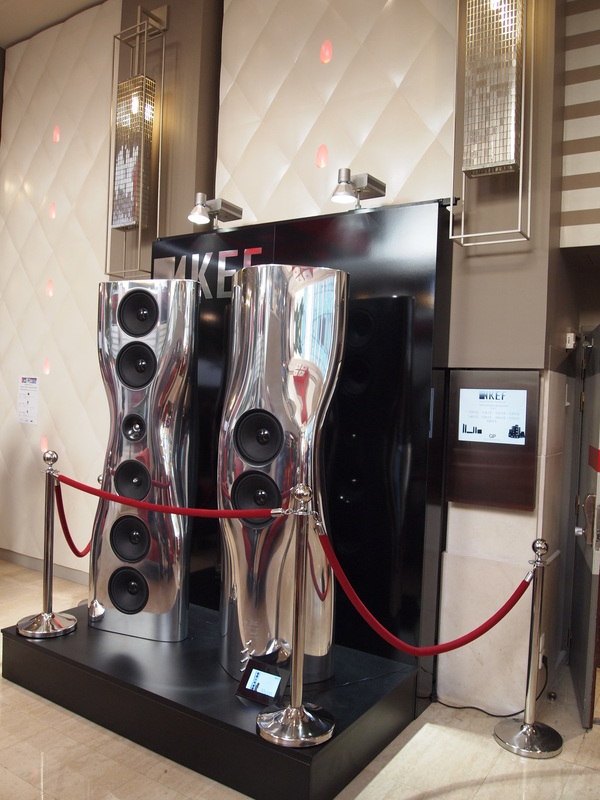 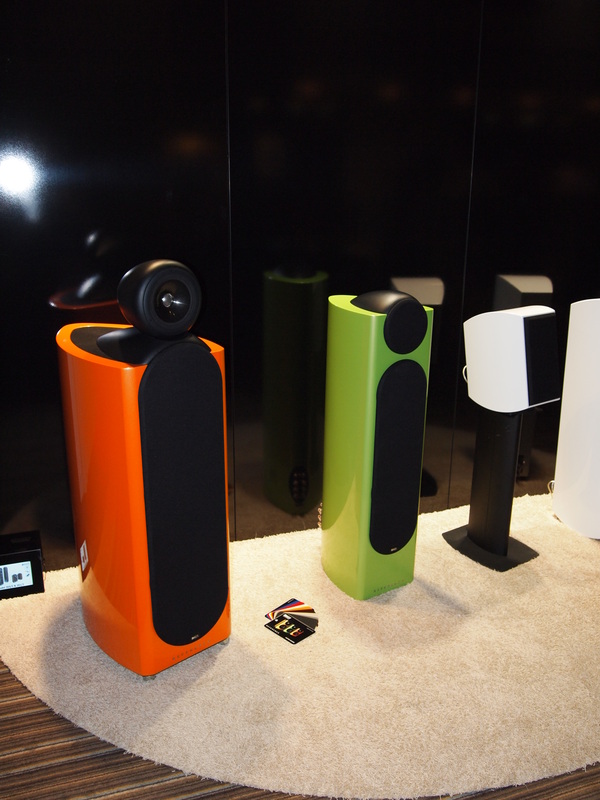 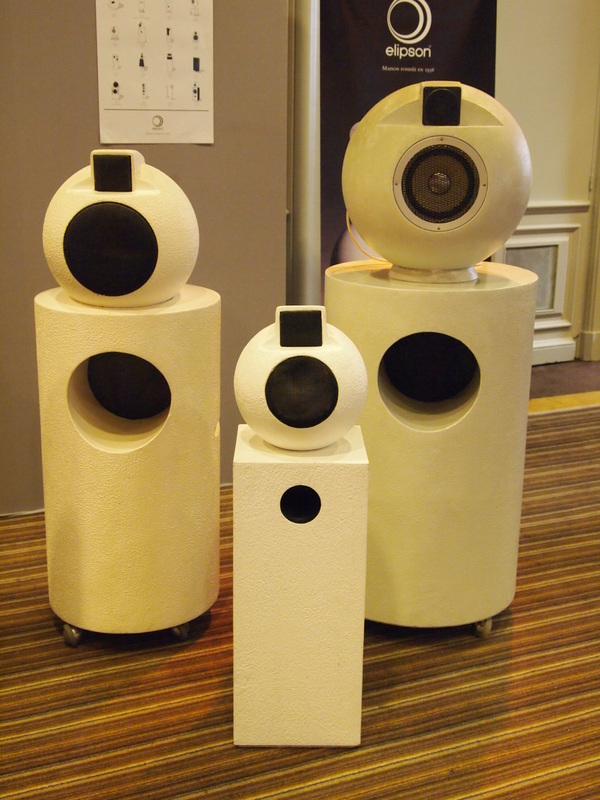 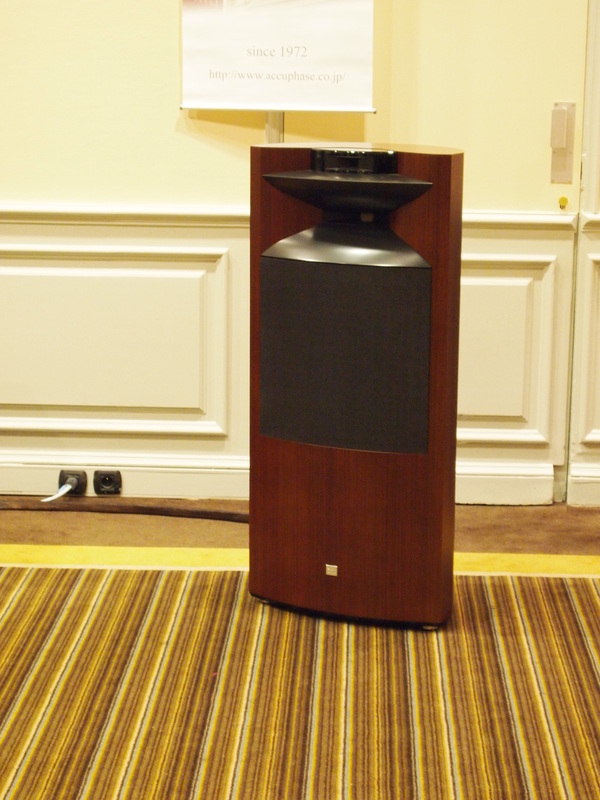 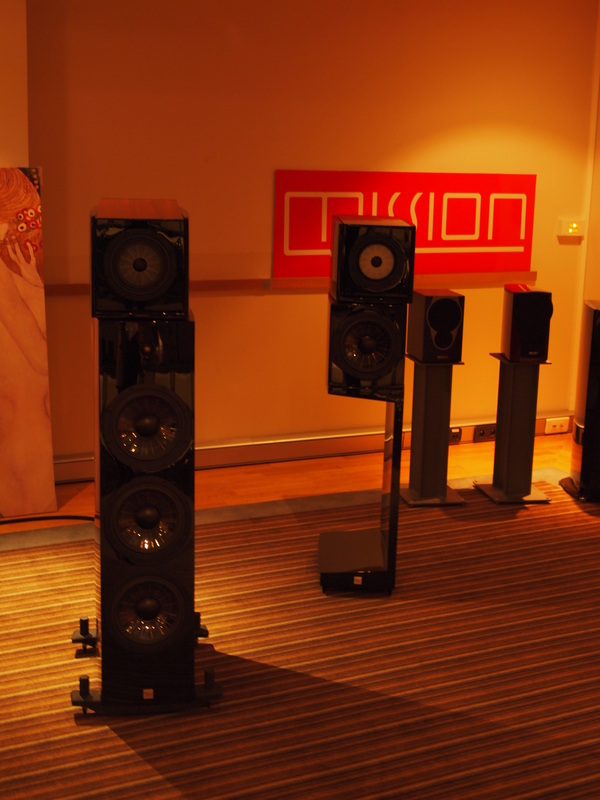 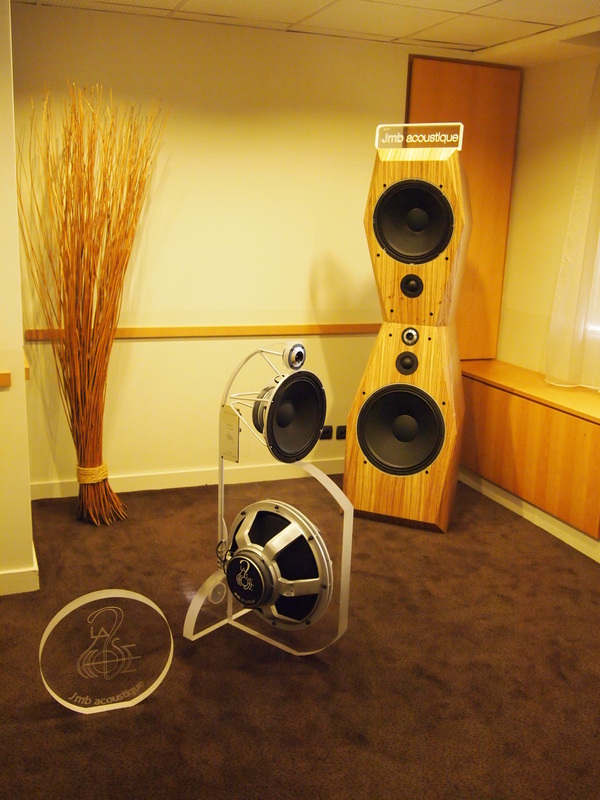 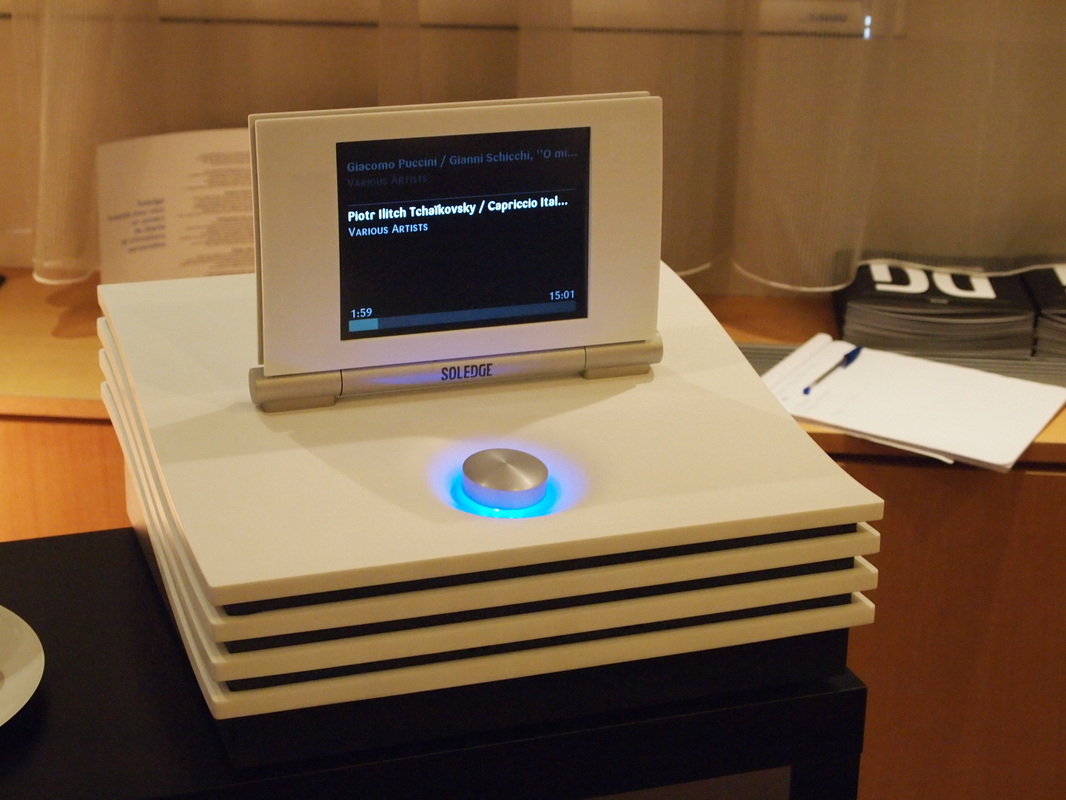 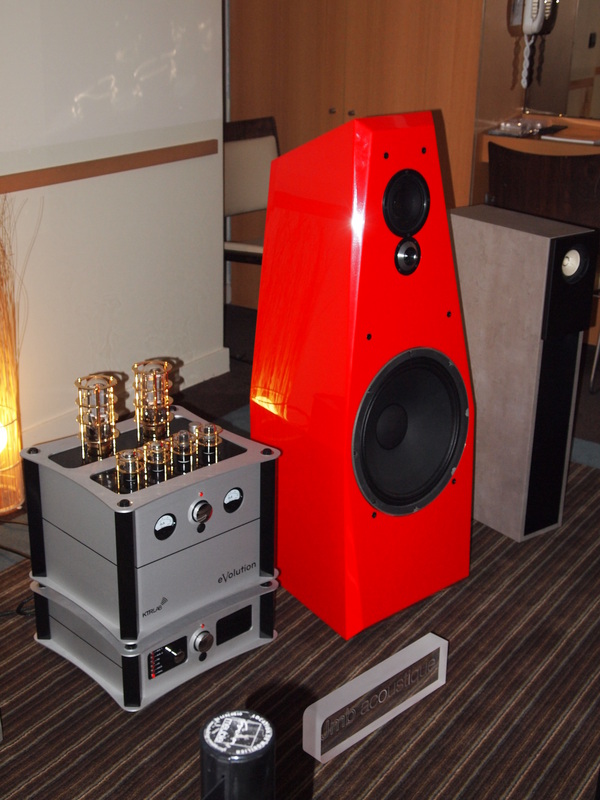 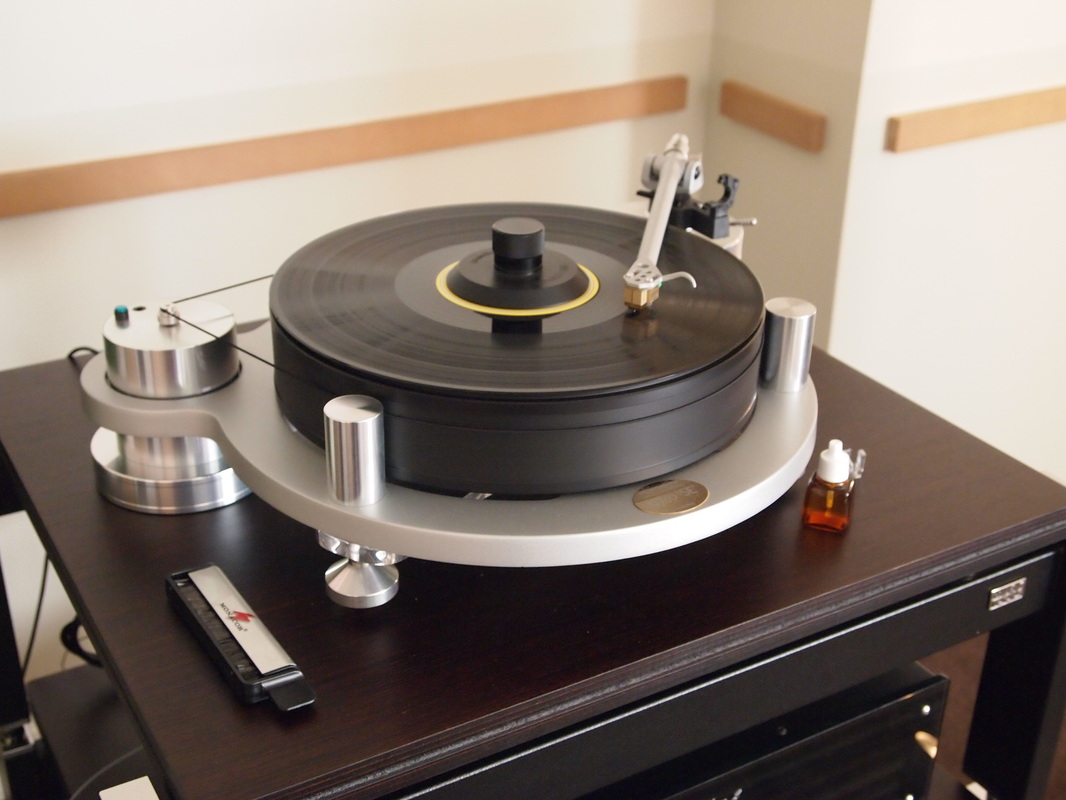 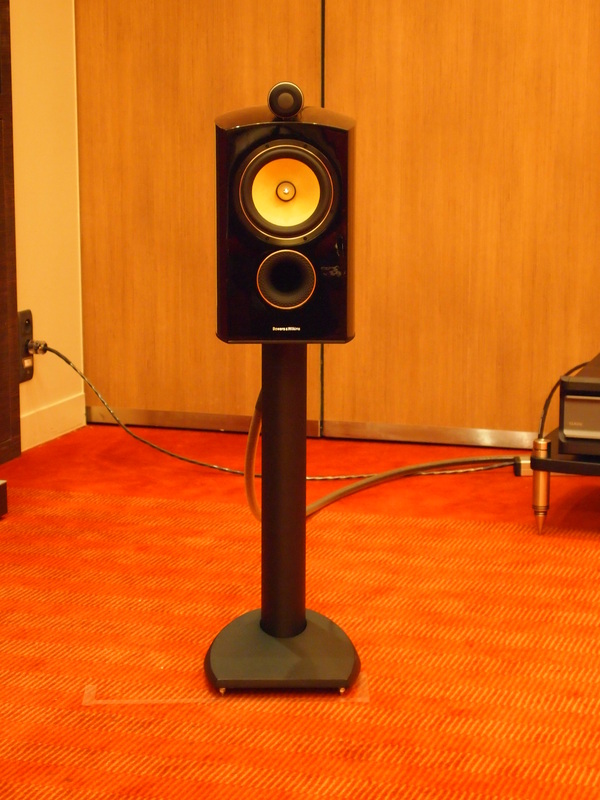 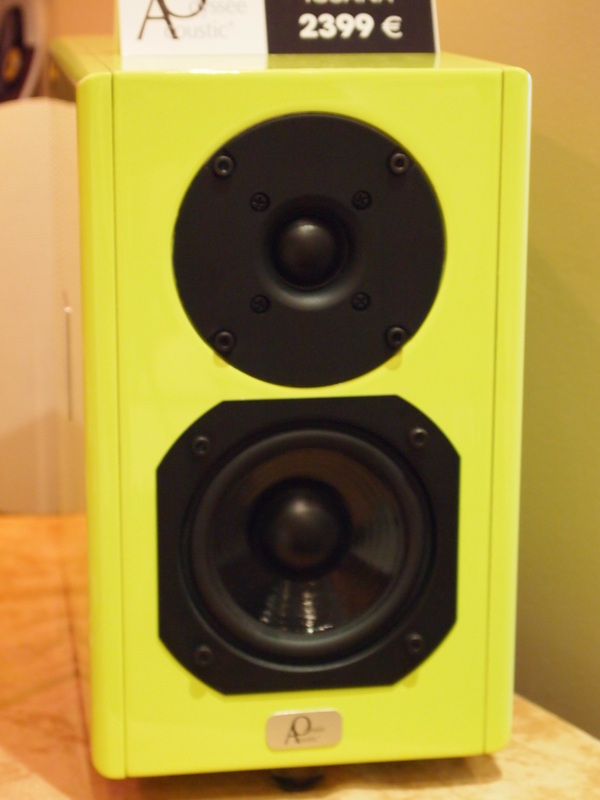 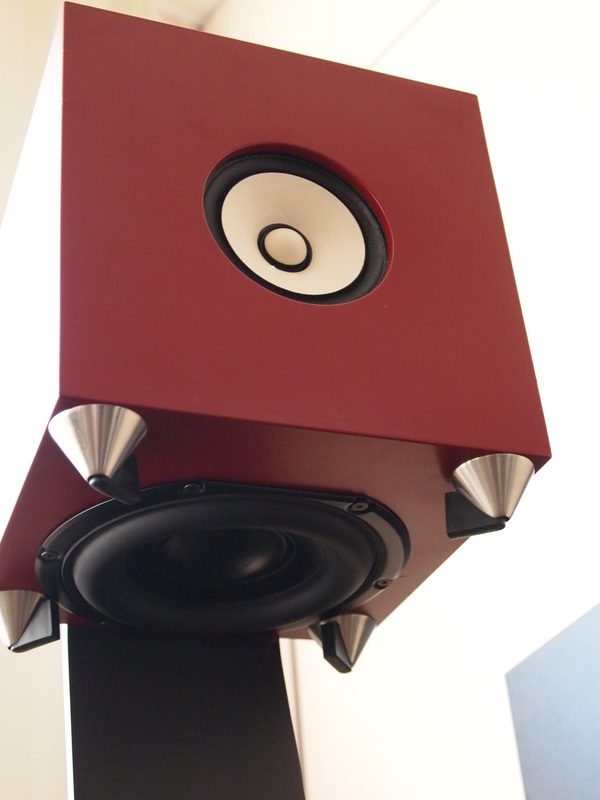 I will be in Paris next week-end to visit this Exhibition which is a staple on the calendar of French and some european HiFi freaks, and it has been going for over 25 years, still with the same organisers, SPAT and Jean-Marie Hubert, already at it when I was presenting our Microphase speakers in the mid-eighties!
Passion just doesn't go away that easily, and they say, you can't take the spots of a leopard! If you happen to be there, I will love to meet with you and have a chat about the topics we discuss here and beyond. I am also interested in buying back some Micrphase speakers, in particular the central subwoofer part of our Triton system (I will post on this product when in Paris, as I will have access to one at a friend's place...) and also, some of the active versions of the SATs, once very poular in Germany and Norway (The Norvegian Radio was a big fan!) and the quite rare black piano lacquer version. I will be in Paris until the 22nd of October, so plenty of time to do a deal! I will also use some of my time to visit some of the best dealers in Paris or nearby (Denis Beau, Le Studio Hifi in Versailles, will be one of them) with the intention to report on the evolution of the most enduring French Hifi manufacturers, like Triangle, Jean-Marie Raynaud, Cabasse, Elipson, Davis, Supravox and more... Your suggestions are welcome and I will try to fit them in. See you in Paris! 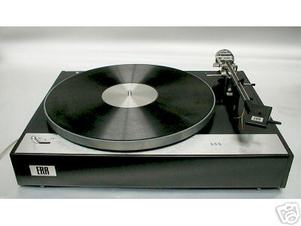 I am not too sure how I came to own one of these fancy French contraptions, and I have no recollection how it disappeared from my life, apart from the fact that I had a very naughty kitten at one point who really enjoyed playing with the antiskating counterweight! One can always use a cover, I hear you say, but there is great debate out there, whether or not it affects the sound! The cat certainly did!!! This was quite an elaborate design, with a floating subchassis and an arm based on an unprecedented (and unrepeated, as far as I know) virtual design pivot. I heard on another forum that JC Verdier had a hand in the design...If it is true, then it would have been the most inexpensive of his designs! The whole thing was pretty difficult to set up and was very wobbly indeed, but the sound was quite an upgrade from the Dual it replaced. It is also at that time, that I started to be very found of the Grado cartridges, certainly contributing to the notch up in quality from the inexpensive Shure cartridges used on the Dual. It is also at that time that I started to work for HP in the Test & Measurement division - now Agilent, and had access to the best test equipment in the World! I had a big garage at the time, all fitted as an electronic laboratory, where I played with MOSFET amplifiers, ICE amplifiers modules from Sanken (I used to sell them...) and curiously, not much with tubes and speakers. All this happened before I moved to Scotland and discovered NAD, and the battle between Linn and Rega, the emergence of the CD...and started designing the Microphase speakers. All photos are courtesy of www.vinylengine.com  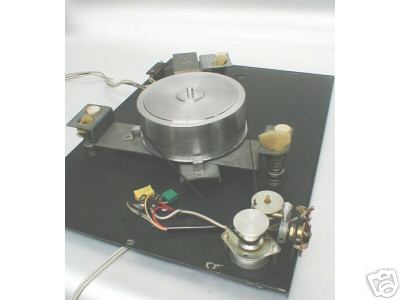 |
AuthorBorn in France, well travelled, relocated to Sydney in 1997.  Archives
July 2023
Categories
All
|
 RSS Feed
